VORRINGARD · Journal · Enamel or Bare Iron
Enamel or Bare Iron
The same metal under two finishes. What seasoning actually is, where each surface gives way, what a year of use looks like on both, and which one to buy first.
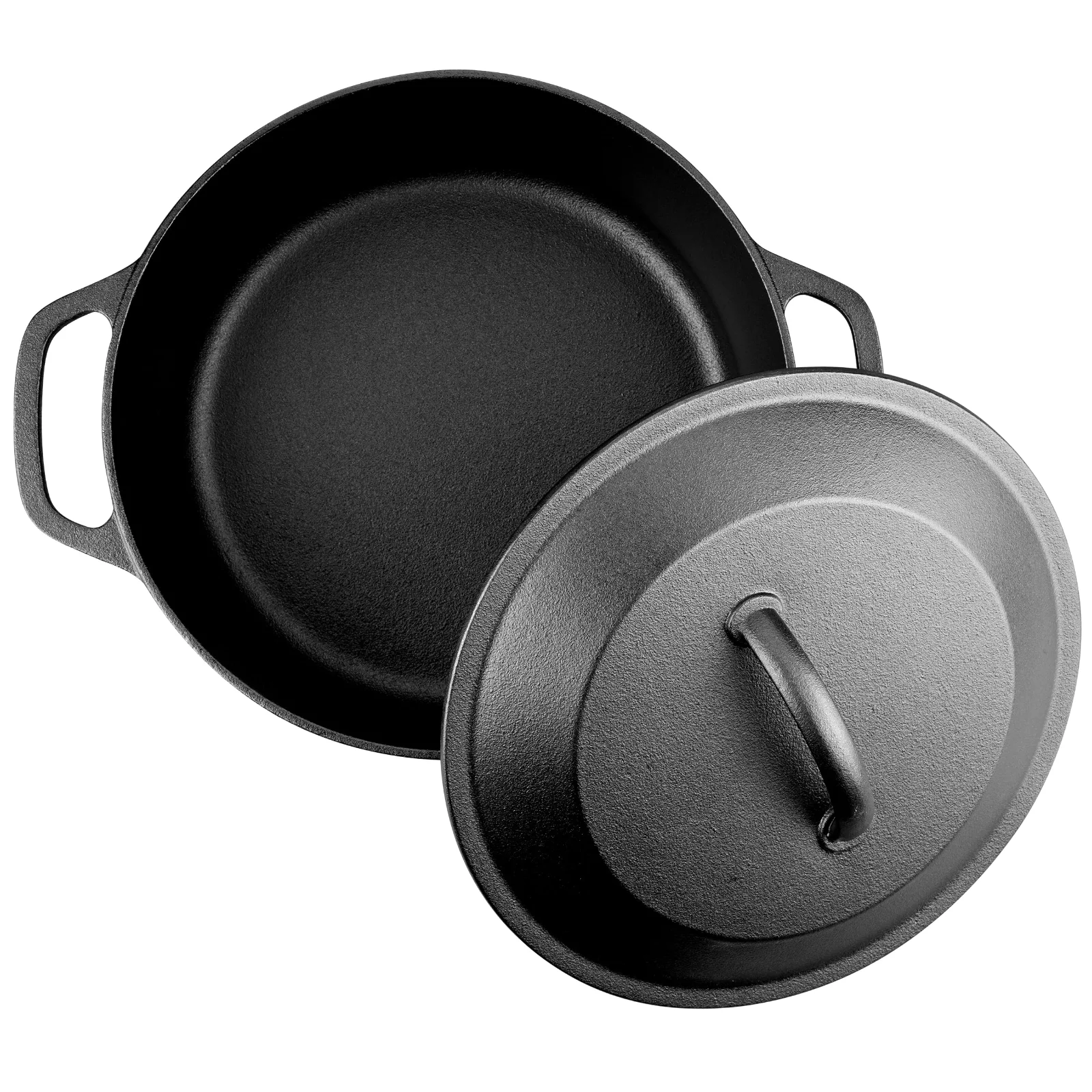
The Two Surfaces
Cast iron is cast iron, and whether you choose the glazed pot or the black one, the core is the same grey iron poured into sand molds. The difference sits on the surface: one wears a coat of glass and the other a coat of carbon.
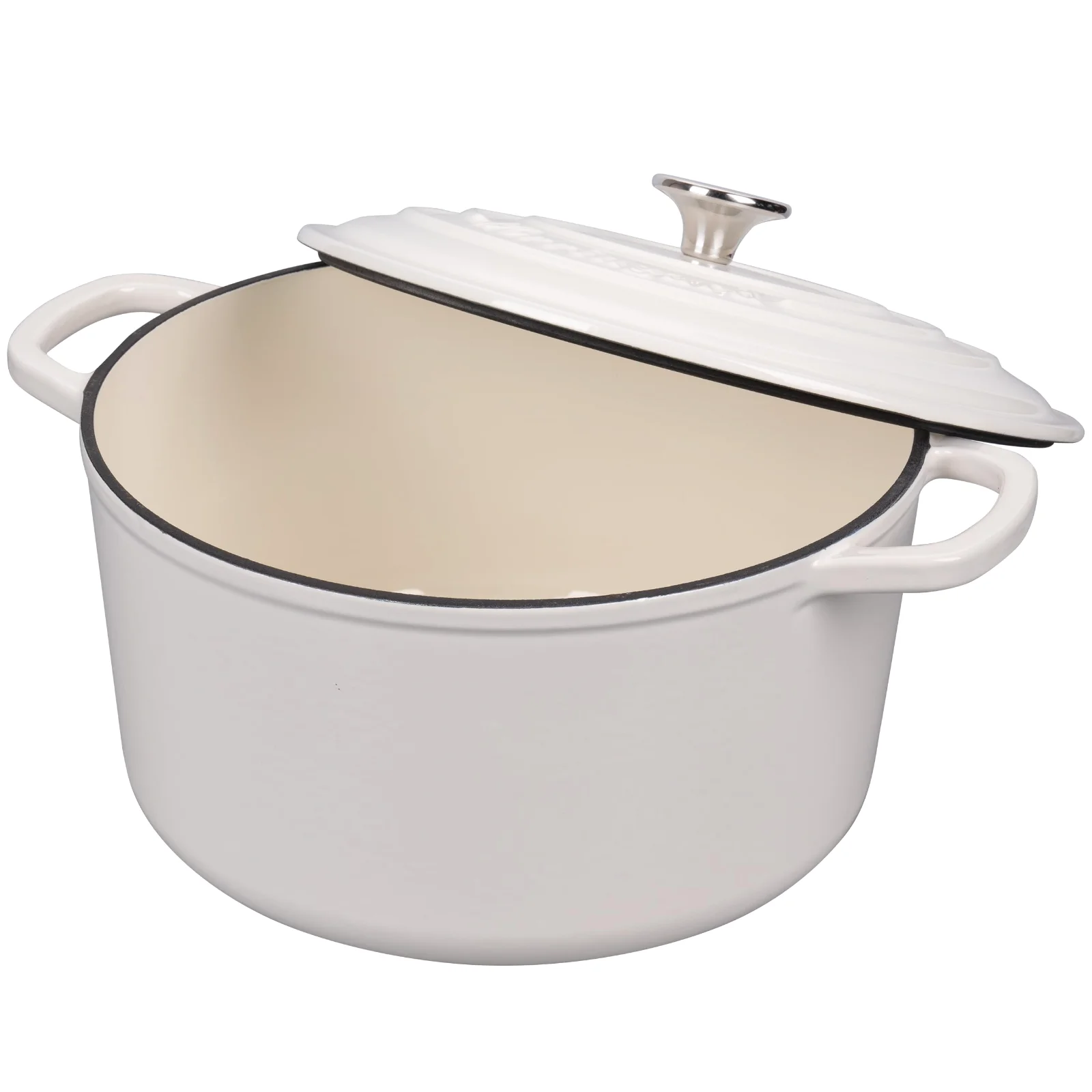
Enamel is powdered glass fused to the metal at temperatures high enough to liquefy silica, and when it cools, it becomes a ceramic skin that does not breathe. While this skin is whole, nothing underneath meets the air, so there is nothing to rust, making it a hard, bright shield in twelve colors. You can choose white, latte, sea salt, sage green, green, dark green, blue, bluegreen, red, pink, purple, or yellow, because the palette is broad and the kitchen is personal.
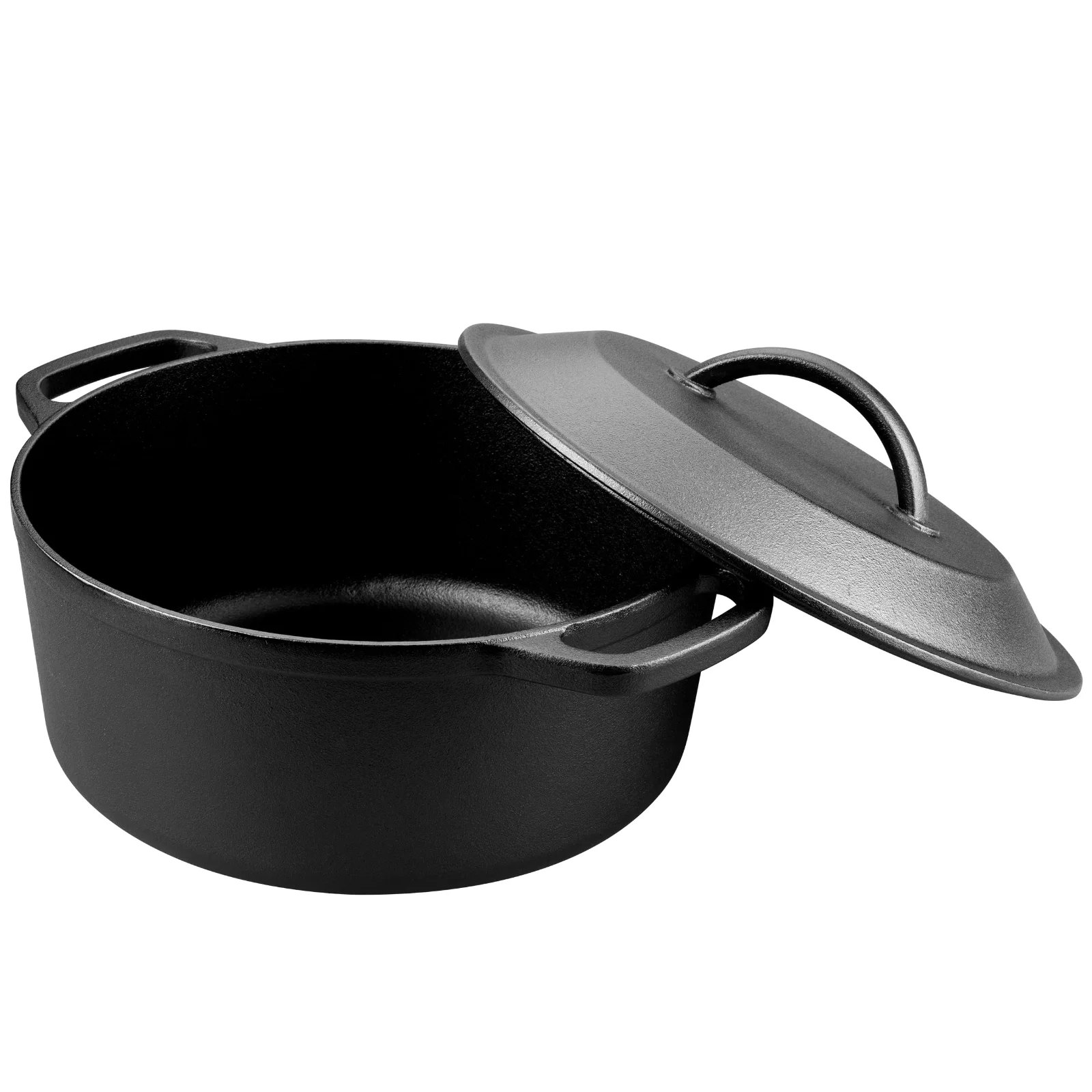
Bare seasoned iron is different, arriving with a layer of polymerized oil baked into the pores, and this fat has broken down and rebonded to the metal to create a thin, dry film rather than a coat of paint. The color is matte black and it changes as you cook, because where enamel is immutable glass, bare iron is a living surface that grows with every loaf. It comes in black only, because the seasoning is carbon and there is no pigment to choose. The color is the material.
Both materials weigh the same, so a 6 quart round oven tips the scale at 12.94 pounds whether it is glazed white or left black, because the heft comes from the iron and not the finish. The 4.5 quart is 10.87 pounds, while the 7 quart loaf oven is 14.20 pounds, and the finish determines how you treat the pot, how you clean it, and what you can cook inside without consequence.
Seasoning: One Task or None
Enamel requires no ceremony, so you lift it from the box, rinse it, and bake, because the glass is the protection and it needs no oiling, no baking empty, and no anxiety about rust. The maintenance is nil across the entire range, and whether you buy the 4 quart oval or the 9 quart domed loaf oven, the care is identical. Wash it by hand, dry it with a towel, and the pot is ready for the next dough.
Bare iron arrives ready but asks for continuity, because each bare pot arrives with a carbon layer already established, so you start from black rather than bare metal. This is true for the 3 quart camp pot that weighs 7.7 pounds and for the 5 quart campfire set at 13.32 pounds, and the layer is there when you unpack it.
Maintaining the layer is the work of using the pot, so each time you bake bread, the fat in the dough and the heat of the oven add to the seasoning. The polymer builds in microscopic layers, filling the grain of the iron, and over months, the surface grows smoother and darker. It becomes naturally non-stick because the surface is now carbonized and compacted, without any chemical coating. You are not required to bake bread specifically, since any cooking with fat builds the layer, whether that is roasting a chicken or frying potatoes.
You do not need to re-season unless you damage the layer with abuse, and a long simmer of tomato soup is the usual way that happens. If you see grey, you oil the spot and bake it empty at 400°F for an hour, but usually, you simply cook. The ritual is minimal, though it is more than enamel demands.
This is the trade. Enamel gives you freedom from the ritual, bare iron gives you a surface you take part in, and neither one wins: one is hands-off and the other is hands-on.
Acids, Tools, and Heat Limits
Both pots tolerate the full heat of a domestic oven, and the limit for every vessel in the catalogue is 500°F, which is the temperature where bread springs and crusts form. Enamel holds steady because the iron and glass expand at similar rates, so the bond does not crack. Bare iron holds steady because the seasoning carbonizes further and the iron itself is indifferent to such temperatures, given that it does not melt until 2200°F. Neither belongs in a microwave, because the metal blocks the waves and can damage the appliance or the pot.
The differences appear in what you put inside.
Acids behave differently on each surface, because tomato, wine, vinegar and citrus all react with iron. In a bare pot, a long braise with acidic ingredients will lift the seasoning you have built. The metal may tinge the sauce grey, but for bread, this rarely matters because dough is not acidic. If you use the pot for a stovetop stew before baking, the chemistry matters, because a six hour ragu of tomatoes and red wine will leave your bare pot naked in patches. You will need to bake it empty with oil to recover the surface.
Enamel is glass, so it does not react, meaning you could reduce a tomato sauce for three hours at 300°F, wipe the pot with a cloth, and proof dough in it immediately after. The surface is inert, as the acid touches only the glass and not the iron beneath.
Tools separate the two as well, because metal utensils scrape enamel, and a steel spoon raking the bottom of a white loaf pan will leave grey scars in the glass. These chips do not rust the iron beneath immediately, but they are permanent wounds that catch dough and expose the dark metal underneath the white or the blue. Use wood or silicone on enamel, while bare iron is indifferent to metal, allowing you to scrape burnt dough with a steel bench scraper or scrub with chain mail. The seasoning is harder than the steel, or it regenerates, and this is why bare iron is preferred for camp cooking, where you may only have a knife and a stick to stir.
Long cooking is the final variable, where enamel is static and will look the same after a six hour bake as it did at minute one. Bare iron changes during the cook, because the seasoning absorbs oils and the surface turns slicker. This is why a well-used bare pot releases a loaf better than a new one, because the heat, the fat, and the time collaborate to build the surface while the bread bakes.
Cleaning and the Changing Color
Hand washing with warm water is the method for both, with no dishwasher, because the jets and salts in a dishwasher will dull enamel over years and strip bare iron in weeks. The water should be warm, not scalding, and your hands are the best tool.
For enamel, the interior will mark, so the first time you bake a dark rye, you will see brown stains on the cream-colored floor. This is not residue you failed to wash, but rather carbonized sugar bonded to the glass, which baking soda and water lifts. Make a paste with two tablespoons of soda and a teaspoon of water, then rub with a soft cloth in circles, and the pot will not look factory new, but it will be clean. The exterior enamel changes too, once heat and smoke and the oils in your kitchen have settled on the matte colors. meaning a sage green pot develops amber shoulders after a year. A sea salt pot yellows slightly at the rim, and the dark green deepens to near black at the base. This is not damage, because it is the patina of use that signals experience, and the pot has become yours. The marks are your own.
Bare iron demands you dry it immediately, because water is the enemy of iron, so after washing, set the pot on a warm burner for two minutes. The heat drives out moisture from the pores, and then you can rub a drop of oil over the surface if you wish, though baking tomorrow will do the same job. Never soak it overnight, because water penetrates the seasoning and finds the metal beneath, blooming rust that must be scoured away with steel wool and rebuilt.
The smell of hot iron and baked enamel fills the kitchen before the loaf is even sliced.
After a year, the two pots look like different species, as the enamel pot is still green or blue or yellow, but it is quieter, smokier in tone. The bare pot is nearly black, shot through with gunmetal grey where the seasoning is thickest. Both are beautiful, and both indicate a tool that has been used for its purpose.
Side by Side
Comparing the two materials side by side clarifies the choice, where one column is glass and the other is carbon.
| What you are comparing | Enamel | Bare iron |
|---|---|---|
| Seasoning required | None | Arrives pre-seasoned, maintained by use |
| First use | Ready immediately | Ready immediately |
| Acid foods | No reaction, safe for tomatoes and wine | Can strip seasoning over long cooks |
| Cleaning | Warm water, baking soda for marks | Warm water, dry at once, no long soak |
| Open fire | Not recommended | Intended for camp coals and grills |
| What shows wear | Stains outside, marks inside | Patina darkens and builds, colour deepens |
Choosing for the Job
The catalogue contains twenty-two designs, and not all suit every heat source, so match your cooking method to the pot.
| How you cook | The pot to take |
|---|---|
| Kitchen oven baking | Enamelled round, loaf, or domed baker |
| Stovetop braise or stew | Enamelled Dutch oven |
| Grill or open fire | Bare camp pot or campfire set |
| Camp coals | Bare 3 quart camp pot or 5 quart campfire set |
The Reality of the Weight
These pots are heavy, and there is no way around the mass, because cast iron is dense, so you must lift it with intention.
The 4.5 quart round oven weighs 10.87 pounds, while the 6 quart round is 12.94 pounds, and the wide 6 quart is slightly lighter at 11.57 pounds despite its broader footprint. The 5 quart loaf oven is 11.0 pounds, and the 7 quart loaf oven, our largest oblong vessel, is 14.20 pounds. The 6 quart oval domed baker is 11.6 pounds, and the 4 quart oval is 11.7 pounds.
Specialty shapes carry their own loads, as the double round loaf pan with two wells is 12.0 pounds, and the 3-slot baguette tray is 17.3 pounds. It is the heaviest item in the catalogue because of the surface area and the long handles, while the double loaf pan set is 10.3 pounds. The bare iron 3 quart camp pot is the lightest at 7.7 pounds, and the 5 quart campfire set is 13.32 pounds.
Loop handles on the round ovens are sized for oven mitts, so you can grip through thick padding, while the oblong loaf ovens have handles cast into the ends that are shorter, requiring a firmer grip. The baguette tray has extended handles to keep your hands away from the fire, adding to its length and its 17.3 pound heft.
Some designs add versatility through weight distribution, as the double Dutch ovens feature a shallow skillet that serves as the lid, and this piece lifts off to be used as a separate pan. It adds weight to the total system, but it means you carry two vessels in one lift, and the skillet lid is useful for frying eggs over the fire while the deep pot bakes bread in the coals.
Consider your rack height and your wrists, because a 14.20 pound pot lowered into a 500°F oven requires control. The handles are there to help, but the mass is yours to manage, so bend at the knees and keep the pot close to your chest. Do not reach far into the oven with extended arms while holding 12 pounds, but pull the rack out first.
Making the Choice
If you bake bread in a kitchen oven, buy enamel first. It is the path of least resistance: the pot arrives, you wash it, you bake. There is no learning curve and no maintenance anxiety, while the colors allow you to match your kitchen or your mood. The 4.5 quart suits two to four people, the 6 quart feeds four to six, and the 5 quart loaf oven takes a single oblong sandwich loaf for two to three people.
Buy bare first if you cook over fire, because it is built for coals, and seasoning takes the thermal shock of hot embers and the abrasion of ash and grit better than a glazed surface does. The 3 quart camp pot at 7.7 pounds is manageable over a campfire, and the 5 quart set gives you more room for stews.
The second pot comes after a year, and you will know which one you need once you have lived with the first. If you started with enamel, you may find yourself wanting to bake over a fire on camping trips, so you will buy the camp pot. If you started with bare iron, you may want a pot that can handle a tomato braise without thought, so you will buy the enamel Dutch oven.
The collection builds this way, as the 22 designs and 139 color and size choices allow you to specialize, whether with a baguette tray for the weekends, a small 4 quart oval for quick breads, or a second color because you enjoy looking at it. The pots are not disposable, so they accumulate, and after five years, you may have three or four, each with a specific duty. One will be stained amber at the rim, one will be jet black and glossy, and all will be essential.
More from the journal
Every pot named on this page sits on one page in VORRINGARD bread ovens, with its capacity, its weight and its colours.